The practical answer
An actionable RFID brief has five parts: the application, reader and chip requirements, finished format and artwork, encoding rules, and quantity with destination. Approve a representative sample and written specifications before committing the production batch.
1. Describe the job the credential must do
Explain the user journey: entering a building, opening a hotel door, identifying a member or opening web content. List the reader model and approved chip, if known. If either is unknown, request a compatibility review and sample test rather than asking for an interchangeable “RFID chip.”
2. Specify the physical format and print
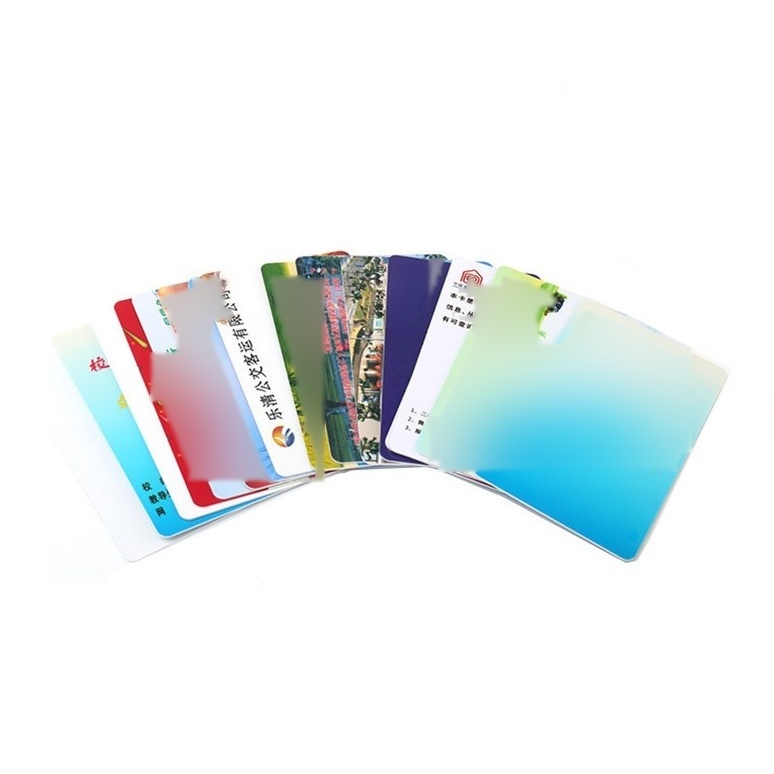
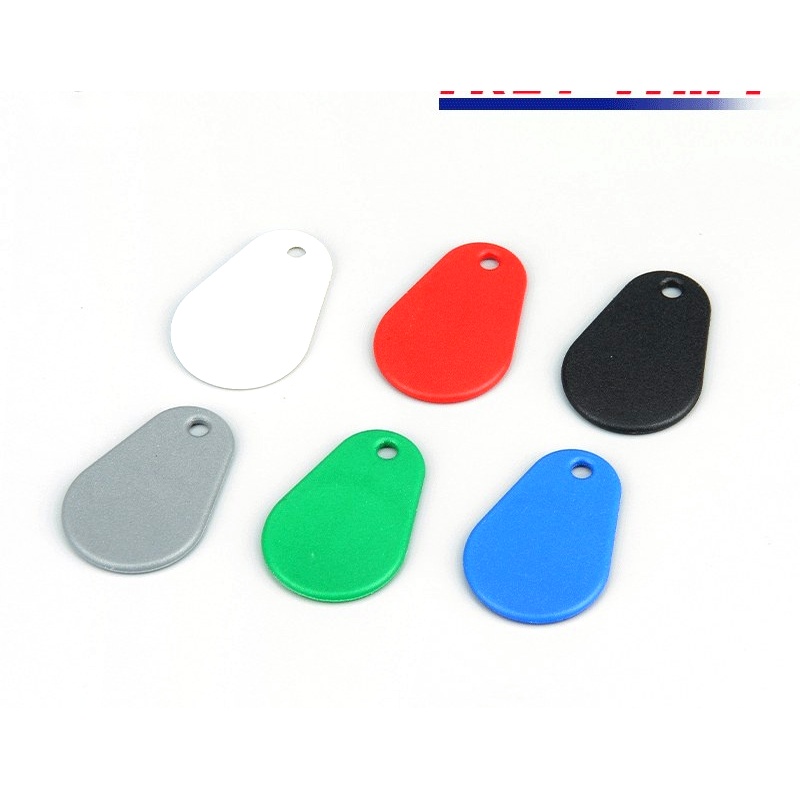
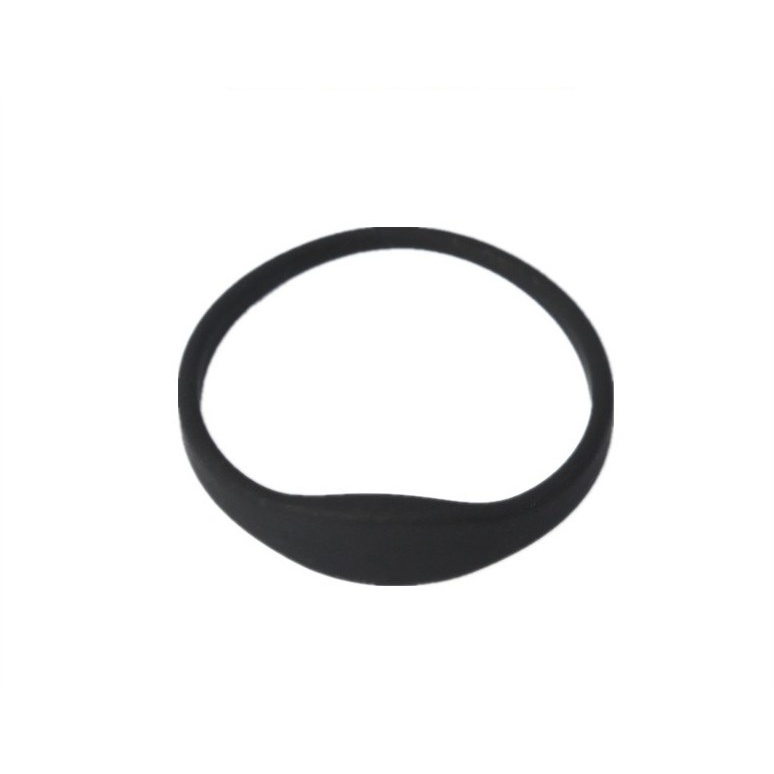
Share dimensions, material, color, attachment or closure, and the real operating environment. Supply vector artwork where possible, identify printing on each side and mark individual numbering. Ask which artwork files and tolerances the supplier needs. Treat a waterproof or heat-resistant description as something to verify against your actual conditions.
3. Define encoding and record ownership
Separate printed serial numbers from chip identifiers and application data. Provide a small example file showing the mapping you expect. Confirm whether the supplier writes data, locks memory or leaves blank credentials for your integrator. Do not put live access keys in the initial inquiry; agree a suitable provisioning process with the responsible technical team.
4. Make the quote comparable
Specify the initial quantity, likely repeat quantity, variants, packaging, destination and desired delivery date. Ask the quote to identify tooling, sample, printing, encoding and freight costs as applicable. Confirm currency, shipping terms and what is included. Catalog prices are a reference; request the current project price and production schedule in writing.
5. Approve a sample with a written checklist
Check the finished appearance, dimensions, reader behavior, data, numbering and packaging. Record the approved sample reference and any change requests. Agree the production checks and how exceptions are handled. Keep one approved sample and the specification for future reorders; a photo alone cannot document the encoded behavior.