The practical answer
NTAG213, NTAG215 and NTAG216 provide 144, 504 and 888 bytes of user memory. All three are NFC Forum Type 2 tags using ISO/IEC 14443 Type A. Choose the smallest option that fits your tested NDEF payload and project requirements.
NXP — NTAG213 / 215 / 216 product family ↗| Chip | User memory | Start evaluating for |
|---|---|---|
| NTAG213 | 144 bytes | A compact web link |
| NTAG215 | 504 bytes | A larger validated payload |
| NTAG216 | 888 bytes | Several records or longer content |
1. Measure the content you will actually write
Begin with the exact URL or contact record, not a rough character count. Encoding and record overhead consume space too. Build the final NDEF record in the tool you plan to use and test it on a sample. A short URL on a domain you control can keep the tag compact and let you update the destination later.
2. Choose the finished tag, not just the chip
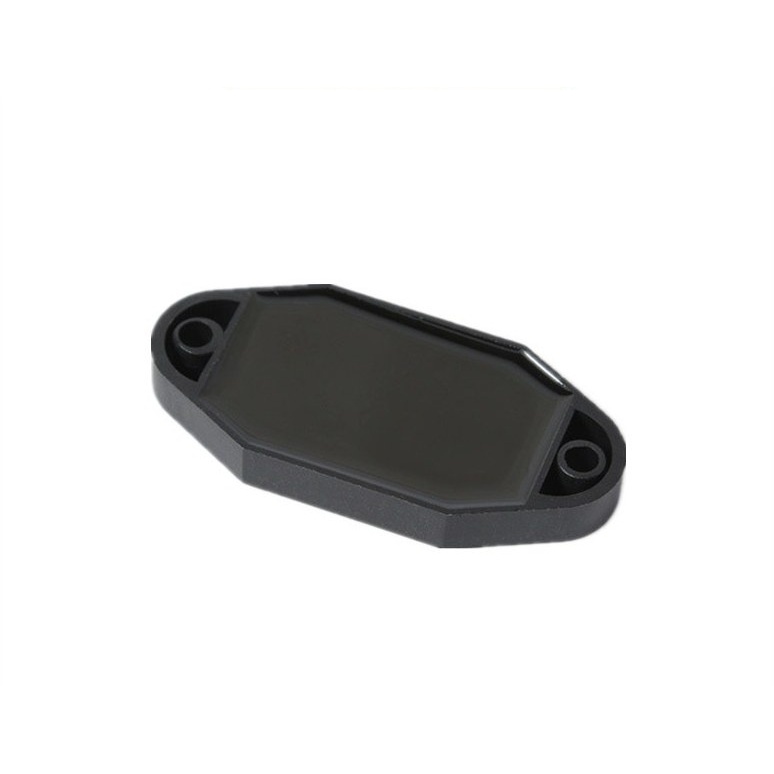
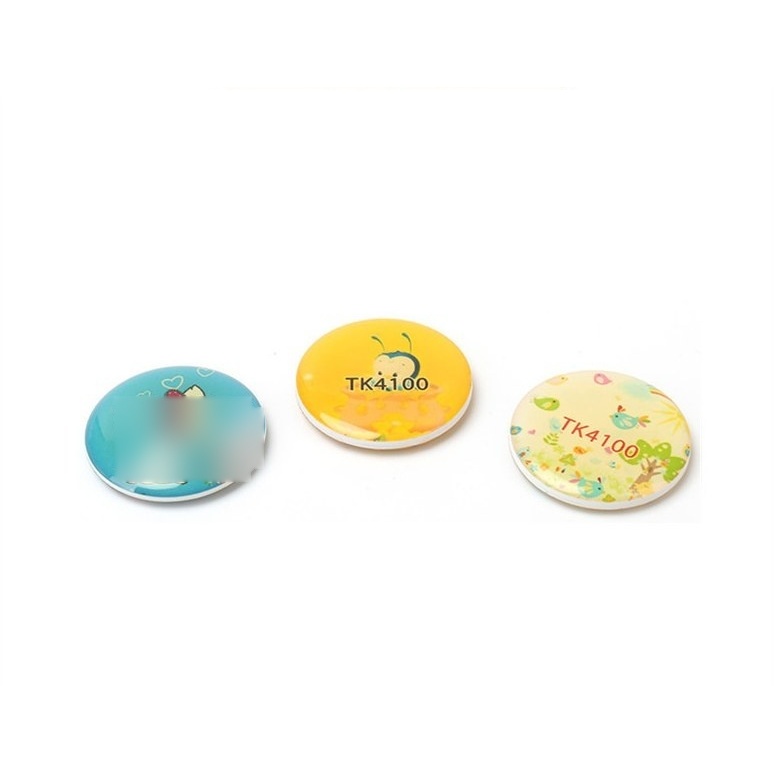
Define whether the tag becomes a card, keyfob, epoxy token or mounted label. Test the final antenna and housing with the target phones at the intended mounting position. For a metal surface, request an appropriate construction and test it on that exact surface. More memory does not by itself prove better tap performance.
3. Decide who can rewrite the tag
The NTAG21x datasheet describes password protection and permanent locking. Confirm these settings only after the content works. Keep an approved writable sample before locking a production batch. Treat simple URL tags as a way to open content; ask for a separate security design if your goal is product authentication or access authorization.
NXP — NTAG213 / 215 / 216 datasheet ↗4. Send a usable sampling brief
Include the final record, target devices, tag dimensions, mounting surface, artwork, quantity and delivery destination. State whether each item needs the same URL or a unique record. Ask for the encoded sample and a mapping file where individual records are involved; approve both before the bulk order.
Technical references
Chip specifications come from the sources below. Selection advice is a project checklist, not a compatibility guarantee.